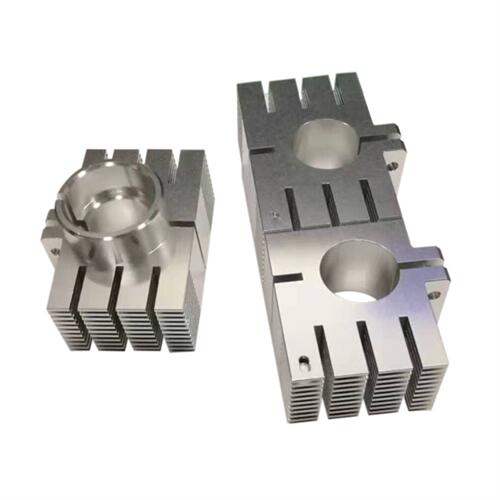
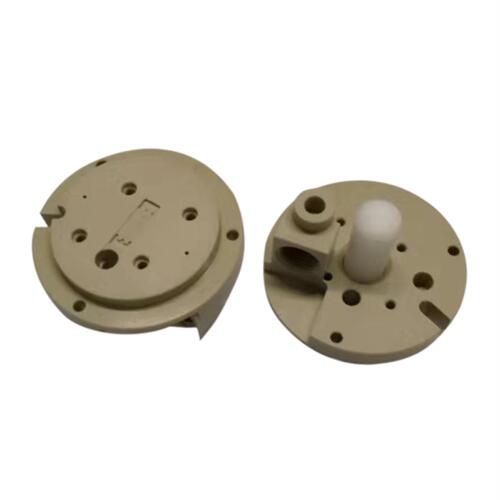
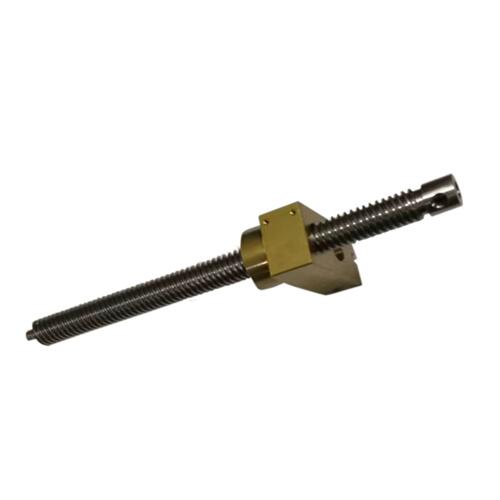
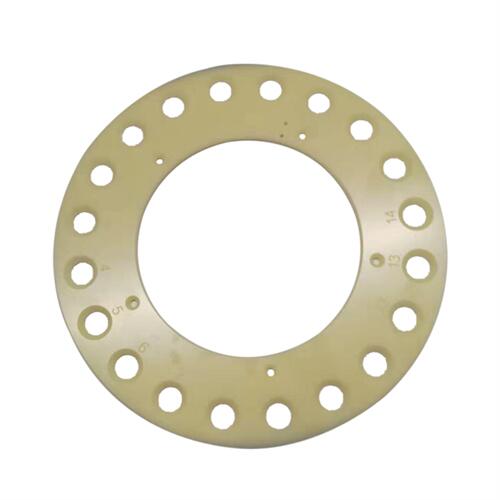
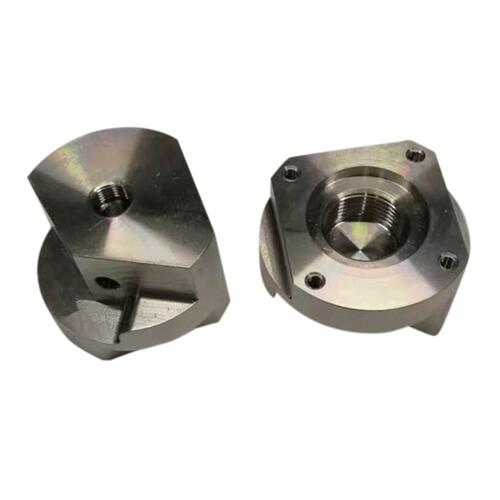
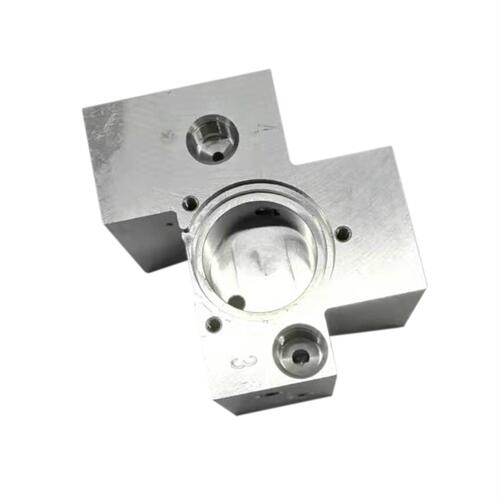
Metal Fabrication Products
Long Hung can manufacture a full range of precision metal fabrication products. We provide complex metal fabrication services for complex hardware parts and precision metal components. These products are widely used in electronics, automotive, aerospace, medical, and automation industries, meeting demanding tolerance and performance requirements.
Our team has rich practical experience in metal processing, cold forging, metal heat treatment,metal forming,and precision fabrication, and can give professional suggestions and successfully develop new products based on customers’ product designs.
Long Hung TI Manufacturing Capabilities
| Category | Details |
| Materials | Copper, Iron, 304/316 Stainless Steel, 6061/7075 Aluminum, Grade 2 Titanium, Grade 5 Titanium Alloy |
| Processes | Broaching, Drilling, Laser Machining, Milling, Turning, Wire EDM, Chemical Etching, Rapid Prototyping |
| Surface Treatment | Painting, Plating, Anodizing, Heat Treatment, Laser Marking, Printing |
| Dimensional Accuracy | ±0.005 mm to ±0.01 mm, tighter tolerances available upon request |
| Surface Roughness | Ra 0.8 achievable, in some cases even below Ra 0.4 |
| Geometric Precision | Parallelism and perpendicularity within ±0.02 mm |
| Volume Capability | Monthly output over 300,000 pieces |
We support both prototyping and full-scale production with fast lead times and strict QA.
Certifications & Quality Assurance
To meet the regulatory and environmental standards of global markets, our metal fabrication products comply with:
- RoHS Certification: All materials and surface treatments strictly comply with the Restriction of Hazardous Substances (RoHS) directive. This ensures our parts are safe for electronic, medical, and consumer product applications in the EU and other regulated regions.
- ISO 9001: Quality management system certified to ensure consistent production and traceability.
- IATF 16949: Applied to our automotive components, meeting global car manufacturing quality standards.
- ISO 13485: Ensures the safety and reliability of metal parts for medical device applications.
Examples of Fabricated Metal Products From Long Hung
Fabricated metal products cover a broad range of components used in construction, manufacturing, transportation, and infrastructure.
In structural applications, common examples include steel beams, columns, trusses, metal frames, reinforcement bars, and base plates. These parts form the primary support systems in buildings, factories, and bridges.
In equipment and facility environments, sheet metal products are widely used. Typical examples include electrical enclosures, control panels, metal cabinets, brackets, mounting plates, and HVAC ductwork. These components are often installed around machinery and electrical systems to provide protection and organization.
Within industrial production lines, fabricated metal components such as machine frames, conveyor frames, safety guards, tooling fixtures, platforms, ladders, and handrails are frequently used. They support equipment operation and workplace access.
Process industries rely on fabricated piping and containment products. Pipe spools, flanges, fittings, storage tanks, pressure vessels, hoppers, and silos are common in oil and gas, chemical processing, and water treatment systems.
In the transportation sector, fabricated metal is found in chassis frames, trailer frames, body panels, exhaust systems, cargo containers, rail components, and marine structures. These parts are manufactured to meet structural and dimensional requirements.
Industries and Applications of Precision Metal Fabrication Products
Automotive Industry
Metal fabrication supports engine parts, transmission gears, brake systems, and EV battery modules. These components demand high wear resistance and the ability to withstand high temperatures and pressures.
Aerospace
Fabricated parts such as landing gear, turbine blades, and spacecraft fasteners require exceptional fatigue resistance and stability under extreme environmental conditions. Titanium alloys and special steels are common materials used.
Electronics and Semiconductors
Precision machining delivers metal casings, heat sinks, chip connectors, and RF components for smartphones, laptops, and 5G devices. Key requirements include micron-level accuracy and excellent thermal and electrical conductivity.
Medical Devices
Surgical tools, implants, and imaging equipment components require biocompatible materials and sterile finishes to meet strict healthcare standards.
Industrial Automation and Robotics
Robotic joints, linear guides, and sensor housings need tight tolerances, low friction, and durability for long service life.
Energy Equipment
Metal parts for oil drilling, wind turbines, solar panels, and hydrogen fuel cells require corrosion resistance and stability in harsh environments.
Why Choose Long Hung For Metal Fabrication Products?
- Rich industry experience in complex geometries and miniature parts
- Low-volume prototyping to high-volume production flexibility
- Fast lead times and full support for OEM/ODM customization
- Strong export record to Southeast Asia, Europe, and the U.S. markets
At Long Hung, we can turn your drawings into precision metal fabrication products. Samples are ready within 7 days, and final production takes just 15–30 days depending on complexity. We support both OEM and ODM projects, handling low-volume prototypes to full-scale production with consistent quality.
We support complex part requirements with tight tolerances, fast response to drawings, and clear updates throughout the production process. Contact us today—get fast feedback, expert support, and a quote that matches your exact requirements.
FAQs
1. What is a fabricated metal product?
A fabricated metal product is a precisely shaped component created by removing material from solid metal blocks or bars using CNC machining. This process uses computer-controlled cutting, drilling, and milling tools to shape metal into complex parts with tight dimensional tolerances. These products often serve as critical components in industries like machinery, medical devices, automotive, and electronics. The precision and repeatability of CNC machining ensure each part meets exact design specifications for reliable performance.
2. What are four common materials used in metal fabrication?
- Aluminum – Popular for its light weight and excellent strength-to-weight ratio. It machines easily, making it ideal for aerospace parts and consumer electronics where weight matters. Aluminum also resists corrosion, which extends product life.
- Stainless Steel – Known for corrosion resistance and durability. It’s essential for medical tools, food processing equipment, and outdoor applications. Stainless steel requires slower machining speeds but delivers tough, long-lasting parts.
- Brass – An alloy of copper and zinc, brass offers good machinability and an attractive gold-like finish. It’s common in plumbing fittings, musical instruments, and decorative hardware where both function and appearance matter.
- Mild Steel – Cost-effective and versatile, mild steel is easy to machine and weld if needed. It’s widely used in automotive parts, industrial machinery, and structural components. Though it can rust, protective coatings improve its durability.
Material choice depends on factors like strength, corrosion resistance, weight, and cost, tailored to the part’s purpose.
3. What are the examples of metal fabrication products?
Metal fabrication produces a wide range of products with exact shapes and dimensions, including:
- Precision machine parts:Gears, shafts, and fittings that require tight tolerances to ensure smooth operation in machinery.
- Housings and enclosures:Protective covers for electronics or mechanical assemblies that need precise holes, slots, and surface finishes.
- Brackets and mounts:Custom supports for equipment, designed to fit specific spaces and bear load accurately.
- Heat sinks: Components that dissipate heat in electronic devices, shaped with complex fins to increase surface area.
- Medical device components:Surgical tools, implants, or instrument parts where exact measurements and smooth surfaces are critical.